
What are the benefits of Invisalign®?
Invisalign® is a discreet way to straighten your teeth without the look and feel of traditional braces. Instead of metal wires or brackets, Invisalign® uses a series of clear, removable aligners designed to guide your teeth into better alignment over time.
Because aligners are removable, you can take them out to eat and drink, then brush and floss normally. Invisalign® is backed by clinical research and used in orthodontic practices nationwide, and your treatment is mapped out with a personalized plan using 3D imaging technology.
Most patients also appreciate the structure of the process. You will typically check in about once every six weeks to monitor progress, receive new trays, and make any needed updates to your plan.
Located at 17200 Chenal Pkwy, Ste. 250, Little Rock, AR 72223.
How does Invisalign® work?
Invisalign moves teeth gradually using a planned series of aligners. You wear each set of aligners for about two weeks, removing them only to eat, drink, brush, and floss. As you replace each aligner with the next in the series, your teeth move little by little until they reach their final position.
Here is what most patients can expect:

Wear Time
Aligners are typically worn 20–22 hours per day.
Tray Schedule
Many patients switch trays weekly or every two weeks, based on the plan created for your case.
Check-ins
You will visit us about once every 6 weeks, and many plans include progress checks every 4–8 weeks, depending on your needs.
Typical Timeline
Total treatment time typically averages 9–15 months, though it varies by case.
Aligners are made through a combination of dental expertise and 3D computer imaging technology. Your scan supports a step-by-step plan, and the ClinCheck preview helps you understand the expected movements before you start.
Invisalign® vs Traditional Braces
| Factor | Invisalign (clear aligners) | Traditional Braces |
|---|---|---|
| Cost | Often comparable to braces for many cases; can be higher depending on complexity and number of refinements. Insurance/financing may apply. | Often comparable to Invisalign; sometimes lower for certain cases. Insurance/financing may apply. |
| Treatment Time | Commonly 9–18 months for many mild–moderate cases; varies by bite goals and wear-time consistency. | Commonly 12–24 months; can be faster for some complex movements because appliances are fixed. |
| Visibility | Low visibility (clear trays). | More visible (metal); ceramic options can be less noticeable but still visible. |
| Comfort | Smooth plastic; pressure is normal when switching trays; no wire pokes, but trays can feel tight at first. | Adjustments can cause soreness; brackets/wires may irritate cheeks and lips (wax often helps). |
| Lifestyle | Removable for eating and brushing/flossing; fewer food restrictions. Requires discipline (typically 20–22 hours/day wear). | Not removable; no “forgetting” to wear. More food restrictions (sticky/hard foods) and more effort to brush/floss around brackets. |
Note: Cost and timing vary by case complexity, insurance benefits, and how consistently aligners are worn. A consultation is the fastest way to compare your real options.

Common Smile Problems Invisalign® Can Correct
Invisalign is commonly used to address everyday alignment concerns that impact both appearance and function. Clear aligners can treat issues like crowding, gaps, and several bite relationships, including overbite, underbite, and crossbite.
During your evaluation, we review how your bite is fitting, where teeth are crowded or spaced, and whether aligners can deliver predictable movement for your case. If aligners are not the right fit, we will tell you clearly and walk you through alternatives that make sense for your goals.
Am I eligible for Invisalign®?
Eligibility is based on dental development, gum health, and ability for follow-through. Age may affect your treatment plan, but there are Invisalign options for preteens, teens, and adults. Overall, eligibility depends on whether the mouth is ready and whether aligners can be worn consistently.
- Teens: Invisalign is often recommended around ages 12–14, when most adult teeth are present, and compliance is more realistic.
- Adults: There is no upper age limit if gums and bone are healthy, and you can follow the plan.
The biggest predictor of success is wear time. Invisalign requires 20–22 hours per day, plus consistent cleaning and responsible tray handling.
If you are unsure, the consultation clears it up quickly. We check the health of your teeth and gums, scan your bite, and review what results are realistic for you.

Self-Qualification: Am I a Candidate for Invisalign®?
Use this quick self-check to see if Invisalign is likely to be a good fit for you. It is not a diagnosis or treatment plan, but it will help you decide whether it is worth booking a consultation.
You are more likely to be a good candidate if you can say “yes” to most of these:
- I can wear aligners 20–22 hours per day and only remove them to eat, drink anything besides water, brush, and floss.
- I am consistent with routines and can keep track of trays (and an aligner case).
- My main goals are to fix crowding, gaps, or mild to moderate bite issues.
- My teeth and gums feel healthy (no ongoing pain, swelling, or untreated cavities).
- I am willing to come in for progress check-ins and follow the plan as directed.

Invisalign may not be the best next step (or may require prep work first) if:
- I know I might forget to wear trays consistently, or I will remove them frequently for sipping/snacking.
- I currently have significant gum issues, untreated decay, or dental pain that needs attention first.
- My alignment concerns are severe, or my bite feels unstable (you may still qualify, but it requires a more detailed evaluation).
- I want a “set it and forget it” option and prefer not to manage a removable appliance.
Schedule a consultation
We will check your teeth and gums, review your bite, and tell you clearly whether Invisalign is right for your goals or if another option would be a better match.

Real-life Invisalign® Rules
Drinking with Invisalign®
Only plain (non-flavored or sparkling), cool, or room-temperature water is recommended with trays in. Hot drinks like coffee or tea can warp trays, and beverages like soda, juice, wine, milk, and even herbal teas can stain trays and trap sugar or acid against teeth.
If you decide to drink anything besides water, it’s important to remove your aligners first. Then, brush (or at least rinse) your mouth and trays before reinserting. Straws may help reduce exposure, but do not fully prevent problems.
Meals and Wear Time
Because trays should be worn 20–22 hours a day, frequent sipping or long snack breaks can reduce wear time and slow treatment. Keeping eating and drinking within a tighter window helps you stay consistent.
Invisalign® Cleaning Basics
Remove trays to brush and floss, and keep aligners clean with gentle methods (cool water, mild soap when needed). The key is maintaining a routine that protects teeth and keeps trays clear.
If you want a plan that fits your schedule, request an appointment, and we will walk you through daily habits that make Invisalign® easier.
Tray Changes: Do Not Rush the Process
It is tempting to switch trays early to speed things up, but rushing can lead to discomfort, poor fit, tracking issues, and setbacks that extend overall treatment time.
In many cases, trays are changed about every 14 days unless your dentist says otherwise. Some patients may be approved for weekly changes, typically in milder cases, but these changes must be directed by a professional.
Common signs you may be ready to switch include:
- A snug fit with no gaps
- Minimal soreness
- No clicking
If trays still feel loose, painful, or are not tracking properly, that is a reason to check in before changing anything.
Progress checks are often scheduled every 4–8 weeks to ensure treatment is moving as planned and to make any needed adjustments.
Invisalign Buttons: What They Are and Why They Help
During Invisalign® treatment, your dentist may recommend “buttons.” Invisalign buttons are small, tooth-colored bumps bonded to teeth to increase aligner grip, especially for complex movements like rotation, intrusion, and extrusion. They can also act as anchor points for rubber bands when bite correction is needed.
Not everyone needs buttons. Some cases use aligners alone, while others benefit from extra control so the aligners can apply force in the right direction. If buttons are part of your plan, you may notice mild irritation at first, but they are safe and removable.
If a button falls off, contact your dental provider rather than attempting a home fix. Rebonds are typically quick and straightforward in-office.
Invisalign Results: What Changes Can You Expect?
Most patients want two things: visible improvement and a realistic timeline. Invisalign can treat crowding, gaps, and common bite concerns, and many people begin noticing changes early in treatment when wear time is consistent.
Typical expectations:

Treatment Time
Treatment time often averages 12–18 months, with mild cases sometimes finishing in 6–9 months and complex cases taking longer.
Results
Some results can begin showing in about 4 weeks, with more visible changes commonly appearing by 3–6 months.
Tray Changes
Many treatments use custom trays changed every 1–2 weeks.
Beyond straighter teeth, treatment can support improved bite function and facial balance as alignment improves. Retainers are needed after treatment to help maintain your result.
Before & After Gallery


Beyond straighter teeth, treatment can support improved bite function and facial balance as alignment improves. Retainers are needed after treatment to help maintain your result.
If you want to see the kind of transformation Invisalign may create for your case, your consultation and scan are the most accurate place to start.
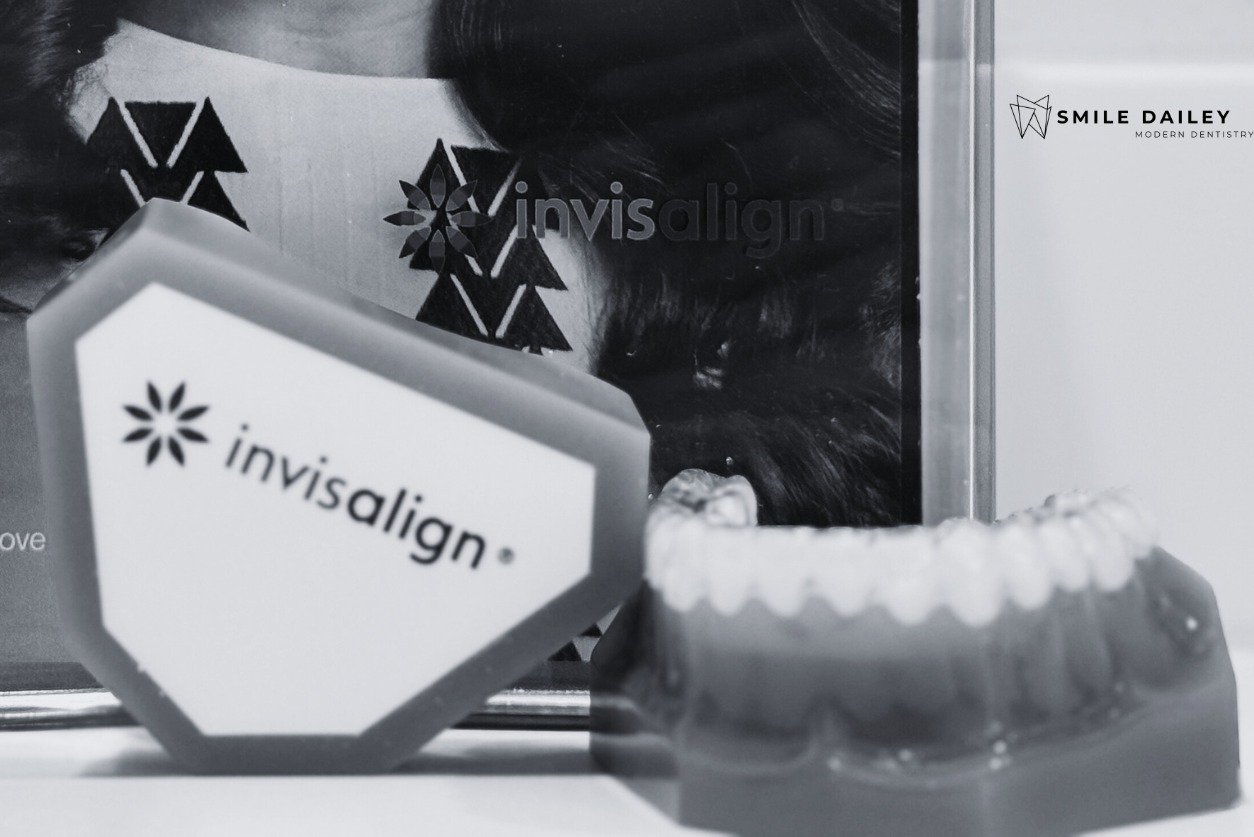
How much does Invisalign® in Little Rock cost?
Costs vary based on the complexity of movement and the length of treatment. For treatment, many patients see ranges cited around $3,000–$7,000, with insurance sometimes contributing $1,000–$3,000, and payment plans are common. The most accurate number comes after we evaluate your case and review your benefits.
If cost is your main concern, ask us to verify insurance orthodontic benefits and walk through payment options before you commit.
Invisalign® Care from a Trusted Little Rock Dentist
Dr. Dailey is a fourth-generation resident of Little Rock and earned his Doctorate of Dental Surgery from the University of Tennessee, College of Dentistry. He has been voted Best of the Best Cosmetic Dentist seventeen times in Central Arkansas by the Arkansas Democrat readers’ poll.
Invisalign is not only about straightening teeth. It is about planning, precision, and follow-through. Our team uses digital scanning and clear step-by-step planning so you understand what is happening and why.


Ready to Discover Your Confidence with Invisalign®?
Request an appointment to find out if Invisalign is right for your smile. We will check your teeth and gums, review your bite, and explain your expected timeline and responsibilities clearly.
Every question deserves an answer.
How many hours a day do I wear Invisalign?
Patients should wear aligners 20–22 hours per day, removing them only for meals and oral hygiene. Consistency matters because missed wear time can slow progress and affect fit.
Is Invisalign really “invisible”?
Invisalign uses clear aligners rather than metal wires or brackets, so most people notice them far less than braces. They are removable, which also helps with eating and oral hygiene.
How often do I change trays?
Many Invisalign plans change trays every 1–2 weeks, and some patients switch about every 14 days unless your dentist instructs otherwise. Switching too early can cause tracking issues and extend treatment.
How long does Invisalign take?
Total treatment time often averages 9–15 months, varying by case. Some mild cases may finish sooner, while complex cases can take longer. Your exam and scan determine what is realistic for your bite and goals.
What can Invisalign treat?
Invisalign can treat common alignment concerns like crowding, gaps, overbites, underbites, and crossbites. During your consultation, Smile Dailey Dental will evaluate your teeth and bite to confirm whether clear aligners are the best option for you.
What happens at a consultation?
A typical consultation includes a dental exam plus a digital 3D scan and a ClinCheck treatment preview so you can see how your teeth are expected to move. First trays often arrive within 1–2 weeks after planning.
Can I drink coffee with Invisalign in?
Only plain, cool or room-temperature water is recommended with trays in. Hot coffee can warp trays, and dark drinks can stain aligners and trap sugar or acid against teeth.
What are Invisalign buttons? Do they hurt?
Buttons are small, tooth-colored resin bumps that increase aligner grip and can help with harder tooth movements. Some people feel irritation at first, but they are safe, temporary, and removable.
What age can you start Invisalign?
Some children may start as young as age 6 with Invisalign First®. Teens are often good candidates around 12–14, and adults can be eligible at any age if gums and bone are healthy.
When will I see results?
Many people begin noticing changes early, sometimes around 4 weeks, with visible changes often by 3–6 months. Timelines vary based on complexity and wear time consistency.
Do I need a retainer after Invisalign?
Yes. Retainers help maintain your alignment after treatment so teeth do not drift back over time.